
Pressure Transmitter: Supplier Guide, Types, Working & Industrial Uses
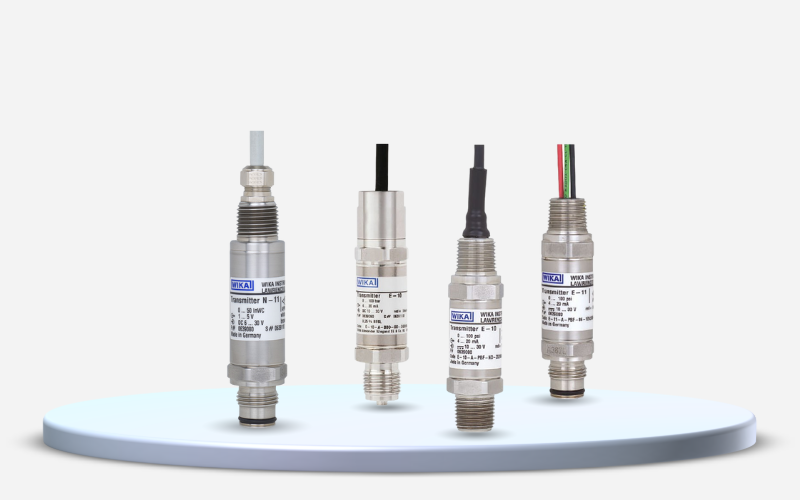
A pressure transmitter is a vital instrument used to measure and convert pressure into an electronic signal for monitoring and control in industrial systems. Precision, reliability, and durability make pressure transmitters indispensable across various sectors like oil & gas, chemical processing, water treatment, power plants, and HVAC systems.
At Jayantilal Bros, we are a trusted pressure transmitter supplier, offering a wide range of high-quality transmitters that deliver accurate and consistent performance in demanding environments.
What Is a Pressure Transmitter?
A pressure transmitter is a device that senses pressure (liquid or gas) and converts it into an electrical output signal—typically 4–20 mA or digital protocols like HART, Modbus, or Profibus. Unlike traditional mechanical pressure gauges, pressure transmitters provide real-time continuous monitoring, making them ideal for automation and control systems.
How Pressure Transmitters Work
Pressure transmitters use a sensing element (such as a strain gauge, piezoelectric sensor, or capacitive sensor) that deflects or changes an electrical property in response to pressure changes. This change is then converted into a proportional electrical signal that can be read by control systems, PLCs, or digital displays.
Key Features:
- High accuracy and stability
- Wide pressure measurement range
- Digital communication options
- Rugged construction for harsh industrial use
Types of Pressure Transmitters
- 1. Gauge Pressure Transmitters Measures : pressure relative to atmospheric pressure. Commonly used in applications like tank level monitoring and pump systems.
- 2. Absolute Pressure Transmitters : Measures pressure relative to a perfect vacuum, essential for scientific and high-precision industrial processes.
- 3. Differential Pressure Transmitters : Used to measure the difference between two pressure points. Commonly used in flow measurement, filter monitoring, and level measurement in pressurized tanks.
Why Industrial Facilities Use Pressure Transmitters
Pressure transmitters are preferred over mechanical gauges in modern systems because they offer:
- Continuous Monitoring: Not just snapshot readings
- Remote Communication: Output signals integrate with control systems
- High Precision: Critical in process optimization
- Automated Control: Enables real-time adjustment for safety and efficiency
Applications include:
- Oil & Gas Process Control
- Chemical & Petrochemical Plants
- Water & Wastewater Treatment
- Food & Beverage Processing
- Pharmaceuticals
- HVAC & Building Automation
Why Choose Jayantilal Bros as Your Pressure Transmitter Supplier
- As a leading pressure transmitter supplier, Jayantilal Bros offers:
- A wide range of industrial pressure transmitters
- Products with high accuracy & durability
- Technical support for correct selection
- Trusted brands & long-term performance
- Competitive pricing and prompt delivery
We help you select the right transmitter based on:
Pressure range and process media
Output signal requirements
Environmental conditions
Mounting and installation needs
Tips for Choosing the Right Pressure Transmitter
When selecting a pressure transmitter, consider:
- Required pressure range and accuracy class
- Process temperature and media compatibility
- If a digital communication protocol is needed
- Environmental protection rating (IP, explosion proof options)
- Installation type and connection size
A well-chosen pressure transmitter improves process safety, reduces downtime, and enhances operational efficiency.
Get in Touch
Need a reliable pressure transmitter supplier for your industrial application?
Contact Jayantilal Bros today for expert advice and top-quality pressure transmitters that match your process needs!